Car Window Tint Brands: A Comprehensive Guide to Choosing the Best for Your Vehicle cars.truckstrend.com
Car window tinting has long been a popular automotive enhancement, offering a blend of aesthetics, privacy, and protection. Beyond simply darkening windows, modern window films are engineered with advanced technologies to provide superior heat rejection, UV filtration, and glare reduction. However, the performance and durability of a window tint largely depend on the brand behind it. Understanding the landscape of car window tint brands is crucial for any vehicle owner looking to invest in this upgrade, as each brand brings its unique strengths, technologies, and product lines to the market. This comprehensive guide will delve into the world of car window tint brands, helping you navigate the options and make an informed decision for your vehicle.
The Significance of Car Window Tint Brands
Car Window Tint Brands: A Comprehensive Guide to Choosing the Best for Your Vehicle
At its core, a car window tint brand represents a manufacturer’s commitment to quality, innovation, and customer satisfaction in the window film industry. These brands invest heavily in research and development to create films that not only look good but also perform exceptionally under various conditions. Choosing a reputable brand ensures that you’re getting a product backed by rigorous testing, consistent manufacturing processes, and often, a comprehensive warranty.
The relevance of selecting a good brand extends beyond just the film itself. Reputable brands often partner with certified, professional installers who are trained in their specific products and application techniques. This ensures that the high-quality film is applied correctly, maximizing its performance and longevity. Opting for a lesser-known or generic brand might save a few dollars upfront, but it often leads to disappointing performance, premature fading, bubbling, or peeling, costing more in the long run.
Understanding the Benefits Offered by Top Brands
Different car window tint brands excel in various aspects, but the overarching benefits they aim to provide are universal:
- Superior UV Protection: High-quality tints block up to 99% of harmful UVA and UVB rays, protecting your skin from sun damage and preventing your car’s interior from fading, cracking, and deteriorating.
- Enhanced Heat Rejection: Advanced films, particularly ceramic and crystalline types, significantly reduce solar heat gain, keeping your car cooler in hot climates. This reduces the strain on your AC system, potentially improving fuel efficiency.
- Reduced Glare: Tinting cuts down on blinding glare from the sun, headlights, and reflective surfaces, improving driving comfort and safety.
- Increased Privacy & Security: Darker tints offer privacy for occupants and deter smash-and-grab thieves by obscuring valuables inside the vehicle.
- Aesthetics: Tinting adds a sleek, customized look to any vehicle, enhancing its overall curb appeal.
- Shatter Resistance: In the event of an accident, window film can help hold shattered glass together, reducing the risk of injury from flying shards.
- Durability and Color Stability: Premium brands offer films designed to resist fading, purpling, or bubbling over time, maintaining their original appearance and performance for years.

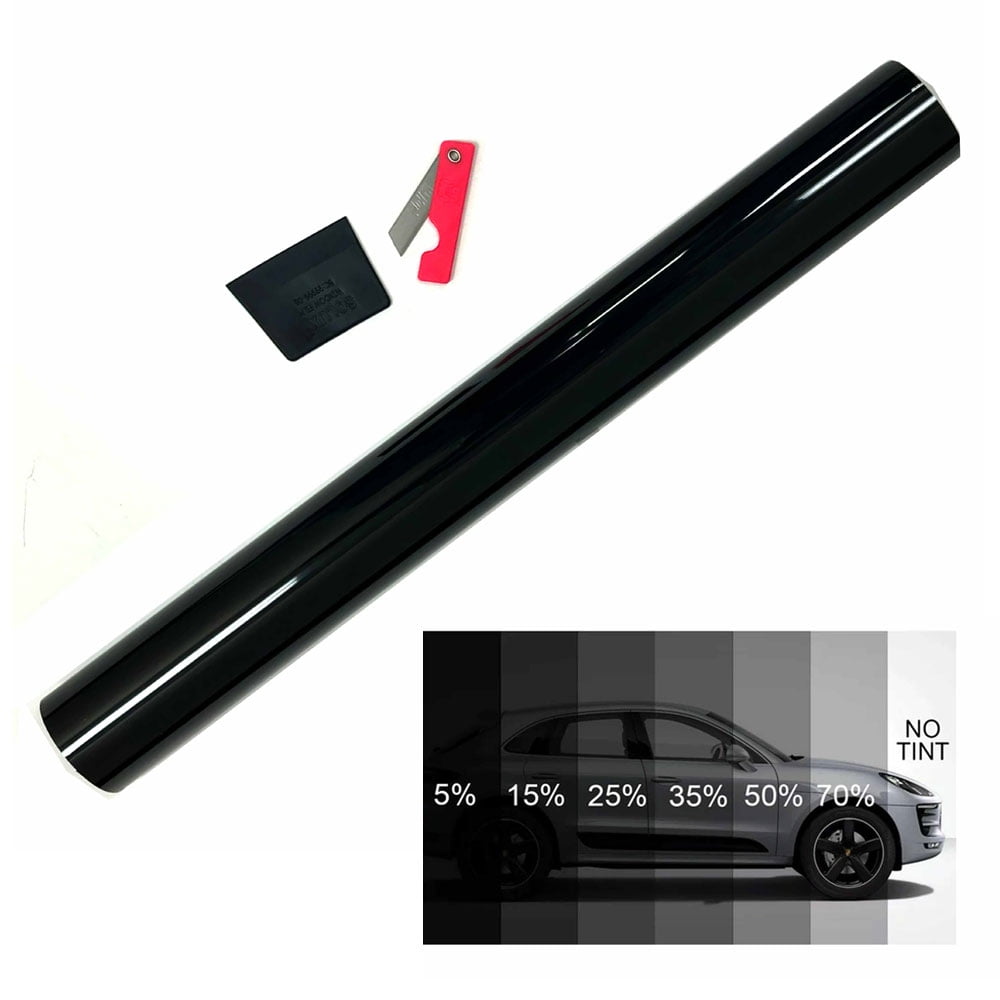
Types of Window Tint Films and Brand Specializations
The type of film technology a brand employs significantly impacts its performance and price. Most leading brands offer a range of films across these categories:
- Dyed Films: These are the most basic and affordable. They block light and offer some privacy but are less effective at heat rejection and can fade over time. Many entry-level brand offerings fall into this category.
- Metalized Films: These films contain tiny metallic particles that reflect heat and glare. While effective, they can interfere with GPS, cell phone signals, and radio frequencies. Some brands offer hybrid versions to mitigate this.
- Carbon Films: Using carbon particles, these films provide excellent heat rejection and a matte finish that won’t fade. They do not interfere with electronic signals. Brands like Suntek and Llumar offer popular carbon lines.
- Ceramic Films: Considered premium, ceramic films contain microscopic ceramic particles that are non-metallic and non-conductive. They offer superior heat rejection, UV protection, and glare reduction without signal interference. Most top-tier brands (3M, Llumar, XPEL, Hüper Optik, Rayno) have strong ceramic offerings.
- Crystalline/Spectrally Selective Films: These are the most advanced and often the most expensive. They are designed to block heat and UV rays while allowing a high percentage of visible light to pass through. This is ideal for those who want performance without the dark appearance, especially for windshields where dark tint is illegal. 3M’s Crystalline series is a prime example.

Important Considerations When Choosing a Tint Brand
Selecting the right brand involves more than just picking a name you recognize. Consider these factors:
- Reputation and Warranty: A reputable brand will stand behind its products with a comprehensive warranty (often lifetime for premium films) covering bubbling, peeling, cracking, and fading. Research brand reviews and installer certifications.
- Performance Metrics: Look for specifics like Total Solar Energy Rejected (TSER), UV Rejection, and Glare Reduction. Higher numbers generally indicate better performance.
- Color Stability and Durability: Ensure the film is designed to maintain its color and integrity over years without turning purple or bubbling.
- Legal Regulations (VLT Limits): Every state has specific Visible Light Transmission (VLT) laws for vehicle windows. A good installer, using reputable brand films, will be aware of and adhere to these regulations.
- Installation Network and Professionalism: Top brands typically have a network of authorized, trained, and certified installers. The quality of installation is as critical as the quality of the film.
- Cost vs. Value: While budget is a factor, consider the long-term value. A higher initial investment in a premium brand often translates to better performance, greater durability, and a longer warranty, saving money on potential re-tints.
Leading Car Window Tint Brands
Several brands dominate the car window tint market, each with its unique selling propositions and popular product lines:
- 3M: A global leader in adhesives and films, 3M offers a wide range of automotive films.
- Crystalline Series: Their flagship non-metalized film, known for exceptional heat rejection without significant darkness or signal interference. Ideal for windshields.
- Ceramic IR Series: A high-performance ceramic film offering great heat rejection and UV protection.
- Color Stable Series: A non-metalized, dyed film that maintains its color and never turns purple.
- Llumar (Eastman Chemical Company): A highly respected brand known for its advanced technology and extensive product range. Llumar is part of Eastman Chemical Company, which also owns Suntek and Vista.
- FormulaOne Stratos/Pinnacle: Their premium ceramic lines, offering top-tier heat rejection and clarity. FormulaOne is their exclusive dealer network brand.
- IRX/CTX: High-performance ceramic and carbon films available through general Llumar dealers.
- ATC: A carbon-based film providing good heat rejection and color stability.
- XPEL: Primarily known for paint protection film, XPEL has quickly become a major player in window tint with their PRIME series.
- PRIME XR PLUS: XPEL’s top-of-the-line ceramic tint, boasting incredible TSER and UV rejection.
- PRIME XR: A more accessible ceramic film with excellent performance.
- PRIME CS: A carbon-based film offering good value and performance.
- Hüper Optik: A pioneer in ceramic window film technology, offering multi-layered ceramic films.
- Ceramic Series: Their signature product, known for outstanding heat rejection and clarity without dyes or metals.
- Select Sech Series: High-performance multi-layer films for specific needs.
- Suntek (Eastman Chemical Company): Another popular brand under the Eastman umbrella, offering a balance of performance and value.
- Ceramic IR: A leading ceramic film from Suntek, known for its heat rejection properties.
- CXP: A carbon-based film offering excellent color stability and signal friendliness.
- Carbon: Suntek’s core carbon film line.
- Geoshield: A growing brand known for its innovative ceramic technologies and competitive pricing.
- Pro-Series: Their advanced ceramic line.
- C2: A mid-range carbon ceramic film.
- Rayno: A newer entrant that has quickly gained recognition for its nano-carbon ceramic films.
- Phantom Series: Their flagship line, utilizing a unique nano-carbon ceramic blend for superior heat rejection.
- Madico: With a long history in the film industry, Madico offers a diverse range of automotive films.
- Black Pearl Series: A popular carbon-based film known for its deep black look.
- Wincos Series: A spectrally selective film designed for high heat rejection.
How to Choose the Right Brand for You
- Assess Your Needs:
- Primary Goal: Is it maximum heat rejection, privacy, aesthetics, or UV protection?
- Budget: How much are you willing to spend? (Remember value vs. cost).
- Location: Hot climate demands better heat rejection.
- Electronics: Do you rely heavily on GPS or other wireless devices in your car? If so, opt for ceramic or carbon films.
- Research Local Installers: Many top brands have authorized dealer locators on their websites. Find reputable installers in your area and see which brands they carry. Read their reviews.
- Discuss Film Options: A good installer will explain the different film types (dyed, carbon, ceramic, crystalline) and their performance metrics (TSER, UV rejection). Ask to see samples on a light box.
- Understand Warranties: Clarify what the brand’s warranty covers (fading, bubbling, peeling) and for how long. Ensure the installer offers a warranty on their workmanship as well.
- Check Local Laws: Confirm the VLT (Visible Light Transmission) limits for your state and ensure the chosen tint level complies.
- Ask for Quotes: Get quotes for different film types and brands to compare pricing and performance.
Potential Challenges and Solutions
- Fake Products/Poor Installation: The market can have counterfeit films or unqualified installers.
- Solution: Always choose an authorized dealer for reputable brands. Check online reviews and ask for proof of certification.
- Bubbling, Peeling, or Fading: These are common issues with low-quality films or poor installation.
- Solution: Invest in a premium brand with a lifetime warranty and ensure professional installation. The warranty should cover these defects.
- Signal Interference: Metalized films can block GPS, cell phone, and radio signals.
- Solution: Opt for carbon or ceramic films, which are non-metallic and do not interfere with electronics.
- Cost: High-performance films can be a significant investment.
- Solution: View it as a long-term investment in comfort, protection, and vehicle value. Balance your budget with your needs, perhaps opting for ceramic on critical windows (front sides, rear) and a more economical film on less critical ones, if allowed by law.
Car Window Tint Brands: Estimated Price Guide
Pricing for car window tinting varies significantly based on the brand, film type, vehicle size (sedan, SUV, truck), number of windows, and the installer’s location and reputation. The table below provides estimated ranges for a standard sedan, acknowledging that actual costs can differ.
| Brand/Film Series | Film Technology | Key Features | Estimated Price Range (Sedan, Full Car)* | Warranty |
|---|---|---|---|---|
| 3M | ||||
| Crystalline | Spectrally Selective | Top-tier heat rejection, high VLT, no signal interference | $600 – $1000+ | Lifetime |
| Ceramic IR | Ceramic | Excellent heat rejection, UV block, no signal interference | $450 – $800 | Lifetime |
| Color Stable | Non-metalized Dyed | Non-fading black look, good privacy, no signal interference | $350 – $600 | Lifetime |
| Llumar | ||||
| FormulaOne Stratos/Pinnacle | Ceramic | Premium heat/UV rejection, optical clarity, exclusive network | $600 – $1000+ | Lifetime |
| IRX/CTX | Ceramic | High performance heat/UV rejection, non-metalized | $450 – $800 | Lifetime |
| ATC | Carbon | Good heat rejection, color stability, non-metalized | $350 – $600 | Lifetime |
| XPEL | ||||
| PRIME XR PLUS | Ceramic | Industry-leading TSER, superior clarity, no signal issue | $600 – $1000+ | Lifetime |
| PRIME XR | Ceramic | Excellent heat rejection, UV block, non-metalized | $450 – $800 | Lifetime |
| PRIME CS | Carbon | Solid performance, good value, non-metalized | $350 – $600 | Lifetime |
| Hüper Optik | ||||
| Ceramic Series | Multi-layer Ceramic | Patented multi-layer technology, exceptional heat rejection | $550 – $950 | Lifetime |
| Select Sech | Spectrally Selective | High performance, natural light, low reflectivity | $600 – $1000+ | Lifetime |
| Suntek | ||||
| Ceramic IR | Ceramic | Strong heat/UV rejection, great value, non-metalized | $400 – $750 | Lifetime |
| CXP | Carbon | Excellent color stability, good heat rejection | $300 – $550 | Lifetime |
| Carbon | Carbon | Cost-effective, good privacy, non-fading | $250 – $450 | Lifetime |
| Rayno | ||||
| Phantom S5/S7/S9 | Nano-Carbon Ceramic | Innovative blend for superior heat rejection and durability | $400 – $800 | Lifetime |
| Geoshield | ||||
| Pro-Series | Advanced Ceramic | High heat rejection, optical clarity | $350 – $700 | Lifetime |
| C2 | Carbon Ceramic | Good balance of performance and affordability | $300 – $550 | Lifetime |
| Madico | ||||
| Wincos | Spectrally Selective | High heat rejection, low reflectivity | $500 – $900 | Lifetime |
| Black Pearl | Carbon | Deep black look, good heat rejection | $300 – $550 | Lifetime |
*Prices are estimates for a standard sedan (e.g., Honda Civic, Toyota Camry) for all side and rear windows. Windshield tinting, larger vehicles (SUVs, trucks), or specialized installations will incur additional costs. Always obtain a direct quote from a certified installer.
Frequently Asked Questions (FAQ)
Q1: Is a darker tint always better for heat rejection?
A1: Not necessarily. While darker tints block more visible light, modern ceramic and crystalline films can block significant heat (IR rays) without being very dark. Always check the TSER (Total Solar Energy Rejected) percentage, not just the VLT (Visible Light Transmission).
Q2: Will tinting my car windows interfere with my GPS or cell phone signal?
A2: Metalized window films can interfere with electronic signals. To avoid this, choose carbon, ceramic, or crystalline films, which are non-metallic and signal-friendly.
Q3: How long does car window tint last?
A3: High-quality films from reputable brands, when professionally installed, typically last for 5-10 years, often backed by a lifetime warranty against bubbling, peeling, cracking, and fading. Cheaper films may only last a couple of years.
Q4: Is DIY tinting a good idea to save money?
A4: While DIY kits are available, achieving a professional, bubble-free, and long-lasting tint job is extremely difficult without specialized tools, experience, and a dust-free environment. For best results and warranty coverage, professional installation is highly recommended.
Q5: Are there legal limits on how dark I can tint my windows?
A5: Yes, every state and country has specific laws regarding the maximum darkness (VLT percentage) allowed for vehicle windows, especially the front side windows and windshield. Always check your local regulations, and a reputable installer will be knowledgeable about these laws.
Conclusion
Choosing the right car window tint brand is a critical decision that impacts your vehicle’s appearance, comfort, and protection for years to come. By understanding the different types of films, the benefits they offer, and the reputations of leading brands like 3M, Llumar, XPEL, and Hüper Optik, you can make an informed choice. Remember to prioritize quality, performance, and professional installation over simply the lowest price. A premium tint from a reputable brand is an investment that enhances your driving experience, protects your vehicle’s interior, and contributes to your personal safety and privacy on the road.