European Luxury Car Brands: A Comprehensive Guide to Automotive Excellence cars.truckstrend.com
The world of automotive luxury is diverse, but few segments command the same reverence and desire as European luxury car brands. For centuries, Europe has been the cradle of innovation, design, and unparalleled craftsmanship, giving birth to marques that transcend mere transportation, becoming symbols of status, performance, and artistic expression. From the stately elegance of British grand tourers to the raw power of Italian supercars and the precision engineering of German sedans, European luxury cars represent the pinnacle of automotive achievement.
This comprehensive guide delves into the essence of European luxury car brands, exploring what sets them apart, the iconic players, critical considerations for prospective owners, and the unique challenges and rewards of joining this exclusive club. Whether you’re an aspiring owner, an automotive enthusiast, or simply curious, prepare to embark on a journey through the opulent world of European automotive excellence.
European Luxury Car Brands: A Comprehensive Guide to Automotive Excellence
The Quintessence of European Automotive Luxury
What precisely defines a "European luxury car"? It’s more than just a high price tag; it’s a confluence of heritage, innovation, performance, exclusivity, and an unwavering commitment to craftsmanship.
Defining Characteristics:
- Heritage and Legacy: Many European luxury brands boast histories stretching back over a century, rooted in racing victories, royal patronage, and pioneering engineering feats. This rich legacy imbues each vehicle with a sense of tradition and timeless appeal.
- Uncompromising Craftsmanship: European luxury cars are often hand-finished, featuring meticulously selected materials like fine leather, exotic wood veneers, polished metals, and bespoke trim options. Attention to detail is paramount, ensuring every stitch and panel aligns perfectly.
- Innovative Engineering and Technology: Far from relying solely on tradition, these brands are at the forefront of automotive innovation. They introduce cutting-edge safety systems, advanced infotainment, sophisticated suspension technologies, and groundbreaking powertrain solutions long before they become mainstream.
- Exquisite Design: European luxury cars are renowned for their captivating aesthetics. From flowing lines and athletic stances to bold, distinctive grilles and signature lighting, their designs are often works of art, instantly recognizable and enduringly stylish.
- Exceptional Performance and Driving Dynamics: Whether it’s a whisper-quiet ride in a limousine or the exhilarating roar of a V12 supercar, European luxury vehicles deliver a sublime driving experience. They balance formidable power with precise handling, refined comfort, and advanced aerodynamics.
- Exclusivity and Customization: Many brands offer extensive personalization programs, allowing owners to tailor every aspect of their vehicle, from paint colors and interior materials to unique stitching patterns and bespoke features, ensuring a truly one-of-a-kind creation.
Why Choose European Luxury?
Beyond the obvious prestige, owning a European luxury car offers several tangible benefits:
- Elevated Driving Experience: Superior comfort, refined powertrains, and sophisticated suspension systems create an unparalleled journey.
- Status and Image: These vehicles are powerful statements of success, taste, and discernment.
- Advanced Safety Features: Many innovations in automotive safety originate from these brands.
- Strong Resale Value (for certain models): While depreciation is a factor, well-maintained, desirable models can hold their value relatively well compared to mass-market cars.
- Access to Exclusive Services: Owners often receive priority service, unique events, and personalized customer care.

Key Players and Their Distinctive Offerings
Europe is home to a constellation of luxury car brands, each with its unique philosophy and specialization.
Germany: The Engineering Powerhouses
Germany’s contribution to luxury automotive is defined by precision engineering, robust performance, and technological sophistication.
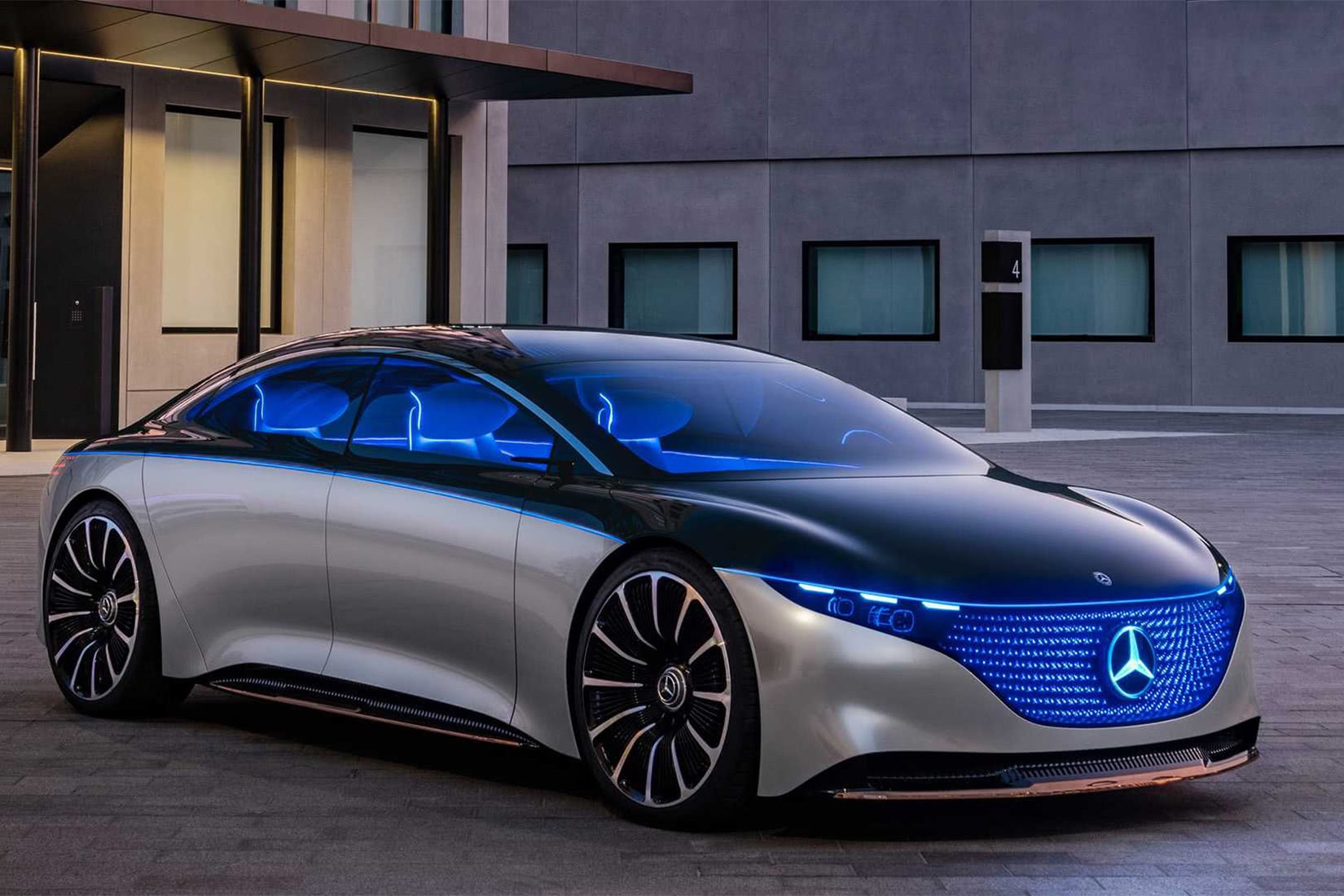
- Mercedes-Benz: The epitome of luxury and innovation, Mercedes-Benz is synonymous with comfort, elegance, and groundbreaking technology. From the stately S-Class sedan to the versatile GLS SUV and the high-performance AMG variants, Mercedes offers a vast range for discerning buyers.
- BMW: "The Ultimate Driving Machine," BMW excels in blending luxury with dynamic performance. Known for their powerful engines, balanced chassis, and driver-focused interiors, models like the 7 Series, X5, and M performance cars appeal to those who love to drive.
- Audi: Characterized by sophisticated design, advanced Quattro all-wheel drive, and leading-edge technology, Audi offers a sleek, modern take on luxury. The A8 sedan, Q7 SUV, and high-performance RS models showcase Audi’s commitment to refinement and innovation.
- Porsche: While primarily a sports car manufacturer, Porsche’s blend of performance, everyday usability, and luxury has elevated it to a unique status. The iconic 911, the practical Cayenne and Macan SUVs, and the electric Taycan redefine performance luxury.
Italy: The Maestros of Passion and Design
Italian luxury cars evoke passion, art, and breathtaking performance.
- Ferrari: The legendary Prancing Horse is the ultimate symbol of automotive desire. Born from racing, Ferrari produces exquisite supercars and grand tourers that combine blistering performance with unparalleled emotional appeal and exclusivity.
- Lamborghini: Known for their flamboyant designs, roaring V10 and V12 engines, and audacious presence, Lamborghinis are pure automotive theatre. Models like the Huracán, Aventador, and Urus SUV are designed to turn heads and thrill their drivers.
- Maserati: Offering a more understated yet equally captivating luxury, Maserati blends Italian elegance with powerful performance. Their grand tourers (GranTurismo) and sedans (Quattroporte, Ghibli) provide a unique blend of style, comfort, and sporting heritage.
United Kingdom: The Epitome of Grandeur and Bespoke Luxury
British luxury car brands represent traditional opulence, bespoke craftsmanship, and understated power.
- Rolls-Royce: The pinnacle of automotive luxury, Rolls-Royce vehicles are meticulously handcrafted statements of ultimate prestige. Known for their "Magic Carpet Ride" and unparalleled customization options, models like the Phantom, Ghost, and Cullinan SUV are commissioned, not merely purchased.
- Bentley: Blending opulent luxury with formidable performance, Bentley offers a unique proposition. Whether it’s the powerful Continental GT, the luxurious Flying Spur sedan, or the ultra-luxurious Bentayga SUV, Bentleys are designed for spirited driving without compromising comfort.
- Aston Martin: Synonymous with elegance, power, and the iconic James Bond image, Aston Martin produces beautiful grand tourers and sports cars. Their vehicles, such as the DB11 and Vantage, offer a sophisticated driving experience with a distinctive British flair.
Sweden: The Scandinavian Approach to Premium
While perhaps not in the same ultra-luxury tier as Rolls-Royce or Ferrari, Volvo represents a distinct and increasingly popular approach to premium European motoring, emphasizing safety, minimalist design, and sustainability.
- Volvo: Known globally for its pioneering safety features, Volvo has evolved into a premium brand focusing on sophisticated Scandinavian design, intuitive technology, and a commitment to environmental responsibility. Their S90 sedan, XC90 SUV, and upcoming electric vehicles offer a refined, understated luxury experience.
Understanding the Niche: Types and Categories
European luxury cars come in various forms, each tailored to specific needs and desires.
- Ultra-Luxury Sedans: The flagship models of brands like Mercedes-Benz (S-Class), BMW (7 Series), Audi (A8), Rolls-Royce (Ghost, Phantom), and Bentley (Flying Spur). Designed for unparalleled comfort, executive transport, and state-of-the-art technology.
- High-Performance Sports Cars & Supercars: The domain of Ferrari, Lamborghini, and Porsche. These vehicles prioritize speed, handling, and an exhilarating driving experience, often at the expense of practicality.
- Luxury SUVs: A rapidly growing segment, encompassing vehicles like the Bentley Bentayga, Rolls-Royce Cullinan, Porsche Cayenne, Mercedes-Benz GLS, BMW X7, and Audi Q8. They combine the elevated driving position and practicality of an SUV with the luxury and performance of their respective brands.
- Grand Tourers (GTs): Cars like the Aston Martin DB series, Bentley Continental GT, and Maserati GranTurismo. They offer a blend of high performance and long-distance comfort, designed for luxurious road trips.
- Bespoke & Coachbuilt Vehicles: The ultimate expression of automotive luxury, where cars are custom-built to individual specifications, often involving unique bodywork and features not available on standard models (e.g., Rolls-Royce Coachbuild projects).
Factors to Consider When Choosing a European Luxury Car
Acquiring a European luxury car is a significant investment. Here are crucial considerations:
- Budget Beyond Purchase Price: The sticker price is just the beginning. Factor in higher insurance premiums, significantly more expensive maintenance, specialized parts, and potentially higher depreciation rates.
- Purpose and Lifestyle: Is it a daily driver, a weekend toy, a family vehicle, or a pure status symbol? This will influence your choice of sedan, SUV, sports car, or GT.
- Performance vs. Comfort: Some brands lean more towards outright performance (Porsche, Ferrari), while others prioritize plush comfort (Rolls-Royce, Mercedes-Benz S-Class). Find your ideal balance.
- Technology and Features: Evaluate the infotainment system, driver-assistance technologies (ADAS), connectivity options, and luxury amenities. These cars are often testbeds for new tech.
- Reliability and Maintenance: While engineering is top-notch, complexity can lead to higher maintenance costs. Research common issues for specific models and understand service intervals.
- Resale Value: Certain models and brands hold their value better than others. Limited editions, well-maintained classics, and highly sought-after performance models tend to depreciate less.
- Sustainability and Future-Proofing: With the automotive industry shifting towards electrification, consider hybrid or electric options offered by many luxury brands (e.g., Porsche Taycan, Mercedes-EQ, Volvo Recharge).
The Ownership Experience: Challenges and Solutions
Owning a European luxury car is often an unparalleled experience, but it comes with its unique set of challenges.
Potential Challenges:
- High Initial Cost: These vehicles represent a significant financial outlay.
- Expensive Maintenance and Parts: Specialized parts, advanced diagnostic tools, and highly skilled technicians contribute to higher service costs. Routine maintenance can be several times more expensive than for a mainstream car.
- Depreciation: While some models defy it, most luxury cars experience significant depreciation, especially in the first few years.
- Insurance Premiums: Due to their high value, repair costs, and performance capabilities, insurance can be considerably more expensive.
- Fuel Efficiency: Many performance-oriented models consume premium fuel at a higher rate.
- Complexity: The sheer amount of technology can sometimes lead to electronic glitches or require specialized attention.
Practical Advice and Solutions:
- Research Total Cost of Ownership (TCO): Before buying, use online calculators and forums to estimate maintenance, insurance, and depreciation for your desired model.
- Consider Certified Pre-Owned (CPO): CPO programs from dealerships offer peace of mind with extended warranties, multi-point inspections, and often roadside assistance, at a lower price point than new.
- Extended Warranties: For used luxury cars, a reputable extended warranty can mitigate unexpected repair costs.
- Independent Specialists: While dealer service is excellent, independent shops specializing in specific European brands can offer high-quality service at a lower labor rate once the warranty expires.
- Pre-Purchase Inspection (PPI): Always get a thorough PPI from an independent specialist, especially for used vehicles.
- Negotiate: Don’t be afraid to negotiate the purchase price, particularly on new cars or less sought-after used models.
- Understand Service Schedules: Adhere strictly to the manufacturer’s recommended service intervals to maintain performance and potentially resale value.
European Luxury Car Brands: Approximate Price Guide (New Models, Base Price Range)
Please note: Prices are highly approximate, vary significantly by market, region, optional extras, customization, and current economic conditions. They are provided as a general guide for new base models.
| Brand | Representative Model (Base) | Approximate Price Range (USD) | Key Differentiators |
|---|---|---|---|
| Germany | |||
| Mercedes-Benz | S-Class Sedan | $115,000 – $180,000+ | Pinnacle of luxury, comfort, and advanced technology. |
| BMW | 7 Series Sedan | $95,000 – $150,000+ | Driver-focused luxury, dynamic performance. |
| Audi | A8 Sedan | $90,000 – $130,000+ | Sophisticated design, Quattro AWD, cutting-edge tech. |
| Porsche | 911 Carrera | $115,000 – $250,000+ | Iconic sports car, blend of performance and daily usability. |
| Italy | |||
| Ferrari | Roma | $225,000 – $300,000+ | Exquisite supercars, racing heritage, emotional appeal. |
| Lamborghini | Huracán EVO | $250,000 – $350,000+ | Bold design, extreme performance, pure automotive theatre. |
| Maserati | Quattroporte | $100,000 – $150,000+ | Italian elegance, sporting heritage, unique styling. |
| United Kingdom | |||
| Rolls-Royce | Ghost | $350,000 – $450,000+ | Ultimate bespoke luxury, unparalleled comfort, prestige. |
| Bentley | Continental GT | $250,000 – $350,000+ | Grand touring luxury, powerful performance, craftsmanship. |
| Aston Martin | DB11 | $210,000 – $280,000+ | Elegant design, powerful GTs, British charm. |
| Sweden | |||
| Volvo | XC90 (Top Trim) | $65,000 – $85,000+ | Safety leader, Scandinavian design, minimalist luxury. |
Note: Prices are for illustrative purposes and do not include destination charges, taxes, options, or dealer markups.
Frequently Asked Questions (FAQ)
Q1: What makes European luxury cars unique compared to luxury cars from other regions?
A1: European luxury cars are distinguished by their deep heritage, unparalleled craftsmanship, leading-edge engineering, distinctive design philosophies (e.g., German precision, Italian passion, British grandeur), and a focus on driving dynamics and emotional connection. While other regions produce luxury cars, European brands often set the global benchmark for aspiration and performance.
Q2: Are European luxury cars reliable?
A2: Modern European luxury cars are generally reliable, especially when new and properly maintained. However, due to their advanced technology and complex systems, they can be more susceptible to electronic issues than simpler vehicles. More importantly, when issues do arise, parts and labor for repairs can be significantly more expensive. Regular, authorized servicing is key to maintaining reliability.
Q3: Why are European luxury cars so expensive to maintain?
A3: The high maintenance costs stem from several factors:
- Specialized Parts: Components are often proprietary, sourced from exclusive suppliers, and produced in smaller volumes.
- Advanced Technology: Sophisticated engines, transmissions, and electronic systems require specialized diagnostic tools and expertise.
- Skilled Labor: Technicians require extensive training specific to each brand’s complex engineering.
- Premium Materials: The use of exotic materials in construction can make repair work more intricate and costly.
Q4: Which European luxury car brand is best for daily driving?
A4: For daily driving, brands like Mercedes-Benz, BMW, Audi, and Volvo are excellent choices. They offer a balance of comfort, practicality, advanced technology, and performance, suitable for everyday commutes and family use. Models like the Mercedes E-Class, BMW 5 Series, Audi A6, or Volvo XC90 are renowned for their versatility.
Q5: Do European luxury cars hold their value well?
A5: Depreciation is a significant factor for most luxury cars. While a few highly exclusive or classic models may appreciate, the majority depreciate faster than mainstream vehicles. However, certain desirable models, especially well-maintained performance variants or limited editions from brands like Porsche and Ferrari, can hold their value relatively well compared to their peers. Certified Pre-Owned (CPO) programs can also offer better value retention for buyers.
Q6: Are there sustainable or electric options in European luxury cars?
A6: Absolutely. European luxury brands are at the forefront of the electric vehicle (EV) transition. Mercedes-Benz has its EQ line, BMW has its i-series, Audi offers e-tron models, Porsche has the Taycan, and Volvo is committed to an all-electric future with its Recharge models. Many brands also offer plug-in hybrid (PHEV) options across their ranges, allowing buyers to enjoy luxury with a reduced environmental footprint.
Conclusion: The Enduring Allure of European Luxury
European luxury car brands represent more than just vehicles; they are the embodiment of automotive passion, engineering prowess, and artistic design. From the thunderous roar of a Ferrari to the serene silence of a Rolls-Royce, each brand offers a distinct interpretation of luxury, appealing to different desires and lifestyles.
While the journey of owning such a masterpiece comes with its unique considerations, the unparalleled driving experience, the prestige, and the sheer joy of being behind the wheel of an automotive icon make it a dream for many. As these legendary marques continue to innovate, embracing new technologies and sustainable practices, the allure of European luxury cars remains as potent and captivating as ever, promising a future as rich and exciting as their storied past.