Semi Trucks For Sale In Georgia: Your Comprehensive Guide to Navigating the Market cars.truckstrend.com
Georgia, often hailed as the "Logistics Capital of the Southeast," stands as a pivotal hub in the nation’s supply chain. Its strategic location, boasting a vast network of interstates, the bustling Port of Savannah, and a thriving business environment, makes it a hotbed for the trucking industry. Consequently, the market for Semi Trucks For Sale In Georgia is vibrant, diverse, and constantly evolving, offering immense opportunities for individual owner-operators, small businesses, and large fleets alike.
Whether you’re looking to expand an existing fleet, replace an aging vehicle, or embark on a new venture in the lucrative world of commercial transportation, understanding the nuances of acquiring a semi-truck in Georgia is paramount. This comprehensive guide will navigate you through the critical aspects of finding, evaluating, financing, and purchasing the ideal semi-truck to power your operations in the Peach State.
Semi Trucks For Sale In Georgia: Your Comprehensive Guide to Navigating the Market
The Strategic Advantage: Why Georgia is a Prime Location for Semi Truck Sales
Georgia’s prominence in the logistics sector isn’t just a catchy phrase; it’s a fundamental reality that profoundly impacts the semi-truck market. The state’s infrastructure and economic landscape create a highly favorable environment for both buyers and sellers:
- Logistics Hub: With the Port of Savannah being one of the busiest and fastest-growing container ports in the U.S., and Atlanta serving as a major distribution center, the demand for freight movement is consistently high. This sustained demand fuels a robust market for new and used semi-trucks.
- Vast Inventory: The sheer volume of trucking activity means a large, constantly replenished inventory of trucks. Buyers benefit from a wider selection of makes, models, years, and configurations, increasing the likelihood of finding a truck that perfectly matches their specific needs and budget.
- Competitive Market: A large inventory often translates into a competitive market, which can drive down prices and offer more favorable terms for buyers. Dealerships and private sellers are eager to move inventory, leading to better negotiation opportunities.
- Access to Services: Georgia boasts an extensive network of dealerships, service centers, parts suppliers, and specialized trucking services. This means easier access to pre-purchase inspections, maintenance, repairs, and aftermarket accessories, which are crucial for long-term operational success.
- Business-Friendly Environment: Georgia’s supportive business policies and streamlined processes for commercial vehicle registration contribute to a smoother purchasing experience.
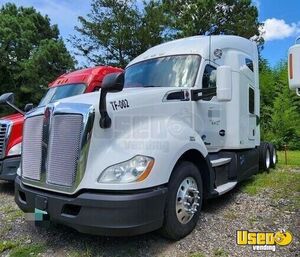
Navigating the Purchase: A Step-by-Step Guide to Buying a Semi Truck in Georgia
Acquiring a semi-truck is a significant investment that requires careful planning and execution. Follow these steps to ensure a successful purchase:

Define Your Needs and Budget:
- Truck Type: Will you be hauling long-distance (sleeper cab) or regional/local (day cab)? What kind of freight (dry van, reefer, flatbed, tanker) will you primarily transport? This dictates the required horsepower, axle configuration, and transmission type.
- New vs. Used: New trucks offer warranties, the latest technology, and customization, but come with a higher price tag. Used trucks are more budget-friendly but require thorough inspection and understanding of their history.
- Budget: Beyond the purchase price, factor in insurance, maintenance, fuel, tires, registration fees, and potential downtime. Secure pre-approval for financing if needed.

-
Research the Market:
- Online Marketplaces: Websites like TruckPaper.com, CommercialTruckTrader.com, MyLittleSalesman.com, and RitchieSpecs.com are excellent starting points for browsing listings from dealerships and private sellers across Georgia.
- Dealerships: Visit authorized dealerships for major manufacturers (Freightliner, Peterbilt, Kenworth, Volvo, Mack, International) in major trucking hubs like Atlanta, Savannah, Macon, and Augusta. They offer new and certified pre-owned trucks, financing, and service packages.
- Auctions: Public and online auctions (e.g., Ritchie Bros., IronPlanet) can offer competitive prices, but buying at auction requires expertise in assessing truck condition quickly and "as-is" terms.
- Private Sellers: Check local classifieds or online forums. While potentially offering lower prices, private sales carry higher risk due to lack of warranties and less transparency.
-
Thorough Inspection and Due Diligence:
- Pre-Purchase Inspection (PPI): This is non-negotiable, especially for used trucks. Hire an independent, certified heavy-duty mechanic to inspect the engine, transmission, brakes, suspension, tires, electrical system, and frame.
- Vehicle History Report (VHR): Obtain a report (similar to Carfax for cars) using the VIN. Services like RigDig or EquipmentFacts provide information on accident history, maintenance records, title issues, and previous ownership.
- Maintenance Records: Request detailed maintenance and service records from the seller. A well-documented history indicates responsible ownership and can save you from future headaches.
- Test Drive: Take the truck for an extended test drive under various conditions (city, highway, inclines) to assess its performance, handling, and any unusual noises or vibrations.
-
Secure Financing:
- Traditional Banks/Credit Unions: Often offer competitive rates if you have strong credit and a solid business plan.
- OEM Financing: Manufacturer financing arms (e.g., Daimler Truck Financial, Volvo Financial Services) specialize in commercial vehicles and may offer tailored programs.
- Specialized Commercial Lenders: Many companies focus solely on truck financing, often more flexible with credit requirements but potentially with higher interest rates.
- Leasing: Consider leasing as an alternative to buying, especially if you prefer lower upfront costs and regular fleet upgrades.
-
Complete Paperwork and Registration:
- Bill of Sale: Ensure it clearly states the truck’s VIN, purchase price, and terms.
- Title Transfer: The seller must sign over the title.
- IFTA/IRP: If operating interstate, you’ll need to register for International Fuel Tax Agreement (IFTA) and International Registration Plan (IRP) plates through the Georgia Department of Revenue or a third-party service.
- USDOT Number & MC Number: Obtain these from the Federal Motor Carrier Safety Administration (FMCSA) if you’ll be operating for hire across state lines.
- Insurance: Secure commercial truck insurance before taking possession.
Important Considerations for Your Semi Truck Purchase
- Emissions and Regulations: While Georgia doesn’t have specific emissions testing for heavy-duty diesels like some states, all trucks must comply with federal EPA emissions standards, particularly for newer models. Be aware of Diesel Particulate Filter (DPF) and Selective Catalytic Reduction (SCR) systems and their maintenance.
- Warranty: New trucks come with factory warranties. For used trucks, some dealerships offer limited warranties or certified pre-owned programs. Private sales are typically "as-is." Understand what’s covered and for how long.
- Operating Costs: Beyond the purchase price, factor in the significant ongoing costs: fuel, tires (a major expense), oil changes, routine maintenance, repairs, tolls, and parking.
- Resale Value: Consider the truck’s potential resale value down the line. Popular makes and models with good maintenance records tend to hold their value better.
Types and Categories of Semi Trucks Available in Georgia
The Georgia market offers a wide array of semi-trucks to suit diverse hauling needs:
- By Configuration:
- Sleeper Cabs: Designed for long-haul operations, featuring a bunk, storage, and sometimes amenities like a refrigerator or microwave.
- Day Cabs: Ideal for regional or local hauls, without a sleeping compartment, maximizing maneuverability and often fuel efficiency for shorter routes.
- By Application:
- Over-the-Road (OTR) / Long Haul: Typically sleeper cabs, optimized for fuel efficiency over long distances.
- Regional Haul: Often day cabs or smaller sleepers, designed for routes within a few hundred miles.
- Vocational Trucks: Specialized trucks for specific industries (e.g., dump trucks, refuse trucks, logging trucks, cement mixers). While these are technically heavy-duty trucks, the term "semi-truck" usually refers to tractor units.
- By Manufacturer:
- Freightliner: Known for fuel efficiency, advanced technology, and a wide range of models (Cascadia, M2).
- Peterbilt: Renowned for classic styling, durability, and strong resale value (379, 389, 579).
- Kenworth: Similar to Peterbilt in quality and reputation, often favored by owner-operators (W900, T680).
- Volvo: Emphasizes safety, driver comfort, and fuel efficiency (VNL, VNR).
- Mack: Known for ruggedness, durability, and vocational applications (Anthem, Granite).
- International: Offers a broad lineup with a focus on performance and uptime (LT Series, HX Series).
Practical Tips for Buyers
- Don’t Rush: Take your time. A rushed decision can lead to costly mistakes.
- Negotiate: Always negotiate the price. Research comparable sales to understand the market value. Be prepared to walk away if the deal isn’t right.
- Leverage Competition: If you’re pre-approved for financing, use it as leverage. Let sellers know you’re comparing offers.
- Consider the Total Cost of Ownership (TCO): Look beyond the purchase price. Factor in fuel economy, maintenance costs, insurance, and potential downtime when evaluating a truck.
- Network: Talk to other truckers, owner-operators, and industry professionals in Georgia. Their insights can be invaluable.
- Read the Fine Print: Carefully review all contracts, financing agreements, and warranty documents before signing.
Potential Challenges and Solutions
- Challenge: Finding the "Perfect" Truck: With a vast market, pinpointing the exact truck can be overwhelming.
- Solution: Clearly define your non-negotiables (e.g., engine type, transmission, sleeper size) and be flexible on secondary features. Use advanced filters on online platforms.
- Challenge: Securing Favorable Financing: Especially for new businesses or those with less-than-perfect credit.
- Solution: Build a strong business plan, improve your credit score, explore various lenders, and consider lease-to-own options. Dealerships often have in-house financing specialists.
- Challenge: Hidden Issues in Used Trucks: "Lemons" can be costly.
- Solution: Mandatory independent pre-purchase inspection, comprehensive history reports, and a thorough test drive. Stick to reputable sellers.
- Challenge: Market Fluctuations: Prices can change based on demand, fuel costs, and economic conditions.
- Solution: Stay informed about market trends. If prices are high, consider waiting or adjusting your budget/expectations.
Semi Trucks For Sale In Georgia: Representative Price Ranges (Estimated)
Please note: These prices are estimates and can vary significantly based on the truck’s specific condition, mileage, year, features, engine hours, market demand, and seller. Always conduct thorough research and inspections.
| Truck Type/Condition | Make/Model Example | Typical Price Range (USD) | Key Features/Notes |
|---|---|---|---|
| New Day Cab | Freightliner Cascadia, Volvo VNR | $140,000 – $180,000+ | Latest emissions tech, full factory warranty, customizable specs, advanced safety features. Ideal for regional, port, or dedicated runs. |
| New Sleeper Cab | Peterbilt 579, Kenworth T680, Mack Anthem | $170,000 – $220,000+ | Full factory warranty, latest engines (e.g., Cummins X15, Detroit DD15, Volvo D13), spacious sleepers, high-tech interiors. Best for long-haul OTR operations. |
| Used Day Cab (3-5 yrs old) | Freightliner Cascadia, International LT | $60,000 – $90,000 | Good balance of modern features and lower cost. Typically 300,000-500,000 miles. Look for well-maintained fleet trucks. |
| Used Sleeper Cab (3-5 yrs old) | Volvo VNL, Kenworth T680, Peterbilt 579 | $70,000 – $120,000 | Popular choice for owner-operators. Expect 400,000-600,000 miles. Critical to check engine, DPF/SCR systems. |
| Used Day Cab (5-8 yrs old) | Freightliner Cascadia, Volvo VNM | $35,000 – $65,000 | More affordable entry point. Higher mileage (500,000-800,000+ miles). Requires more scrutiny on maintenance history and potential wear items. |
| Used Sleeper Cab (5-8 yrs old) | International ProStar, Mack Pinnacle | $40,000 – $80,000 | Mid-range option for established owner-operators. Mileage typically 600,000-900,000+ miles. Budget for potential major component replacements. |
| Older/High Mileage Truck (8+ yrs old) | Various Makes/Models | $15,000 – $35,000 | Lowest entry cost, but highest risk. Often 800,000+ miles. Best for experienced mechanics or those with a very tight budget and local routes. High potential for significant repair costs. |
| Specialized/Heavy Haul | Peterbilt 389, Kenworth W900 (customized) | $100,000 – $300,000+ | Varies wildly based on customization, engine size, axle configuration, and application (e.g., dump, logging, tanker). Often built to order or highly specialized used market. |
Frequently Asked Questions (FAQ) about Semi Trucks For Sale In Georgia
Q1: What’s the best time of year to buy a semi-truck in Georgia?
A1: While there’s no definitive "best" time, many buyers find better deals towards the end of the year (Q4) as dealerships try to clear inventory for new models, or during economic downturns when demand softens. However, a good deal can be found any time if you’re prepared and do your research.
Q2: Do I need a Commercial Driver’s License (CDL) to purchase a semi-truck?
A2: No, you do not need a CDL to purchase a semi-truck. You only need a valid CDL to legally operate (drive) a semi-truck on public roads.
Q3: How difficult is it to get financing for a semi-truck in Georgia?
A3: It depends on your credit history, business plan, and down payment. Established businesses with good credit generally find it easier. New owner-operators may face more scrutiny and higher interest rates. Having a substantial down payment (10-20%) can significantly improve your chances.
Q4: Are semi-truck auctions in Georgia a good place to buy?
A4: Auctions can offer great deals, but they are generally recommended for experienced buyers or those who can bring a mechanic for a quick pre-inspection. Trucks are sold "as-is," and detailed history might not be available. It’s high risk, high reward.
Q5: What are the registration requirements for a semi-truck in Georgia?
A5: You’ll need to register your truck with the Georgia Department of Revenue. For interstate operations, you’ll also need IRP (International Registration Plan) plates and IFTA (International Fuel Tax Agreement) decals. Additionally, you’ll need a USDOT number and potentially an MC number from the FMCSA for commercial interstate operations.
Q6: Should I buy from a dealership or a private seller?
A6: Dealerships typically offer a wider selection, financing options, warranties (especially for certified pre-owned), and after-sales support. Private sellers might offer lower prices but come with higher risk due to "as-is" sales and less recourse if issues arise. For most buyers, especially first-timers, a reputable dealership is often the safer bet.
Conclusion
The market for Semi Trucks For Sale In Georgia offers unparalleled opportunities for those looking to invest in the backbone of America’s economy. With its strategic location, vast inventory, and competitive environment, Georgia is an ideal place to find the right commercial vehicle. By thoroughly understanding your needs, diligently researching the market, performing comprehensive inspections, and securing appropriate financing, you can confidently navigate the buying process. Remember, a semi-truck is more than just a vehicle; it’s a mobile business asset. A well-informed and strategic purchase will lay the foundation for years of successful operation on the open road.
